

The Iowa Great Lakes region is known for its breathtaking shoreline views, vibrant wildlife, and exceptional quality of life. However, preserving the natural beauty of the Okoboji Lakes does not happen by accident. Instead, it is the result of decades of collaboration between local organizations, researchers, and community members who share a passion for protecting the lakes and surrounding ecosystems.
Today, numerous groups continue to work together to ensure the Okoboji Lakes remain healthy, beautiful, and enjoyable for generations to come. From protecting water quality and restoring wildlife habitats to educating the public and supporting responsible development, conservation efforts play a vital role in maintaining everything people love about life in Okoboji.

Longstanding Conservation Leadership
One of the most influential organizations dedicated to protecting the lakes is the Okoboji Protective Association. Established in 1905, the organization has spent more than a century safeguarding the ecological health of the Iowa Great Lakes watershed.
Since its founding, the association has played a key role in shaping environmental protection throughout the region. For example, the group helped develop Iowa’s earliest fish and game laws and later supported legislation designed to prevent the spread of invasive species. Additionally, they were instrumental in the creation of the Great Lakes Sanitary Sewer District, which dramatically reduced water contamination and improved overall lake quality.
Over the years, the organization has also supported wetland restoration projects, initiated early watershed studies, and contributed funding for projects such as electric fish barriers that prevent invasive species from entering the lakes. Just as importantly, the association continues to educate residents and visitors while encouraging responsible stewardship of the waterways.
Balancing Growth with Environmental Protection
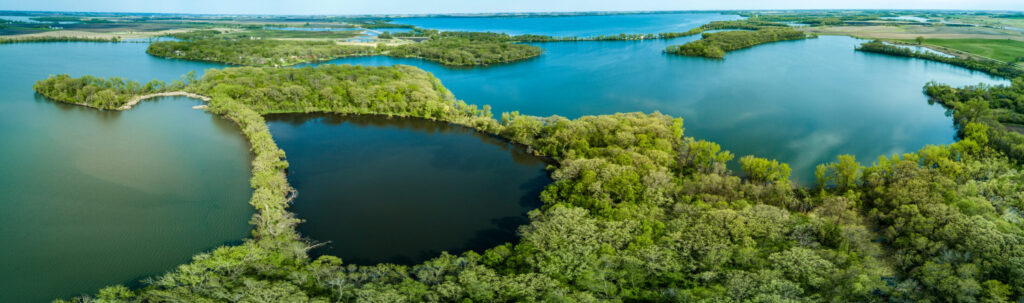
While conservation is essential, the Okoboji region also thrives on tourism, recreation, and community growth. The Iowa Great Lakes Association focuses on maintaining that balance by protecting natural resources while supporting economic vitality.
This organization works extensively to promote clean water initiatives, shoreline restoration projects, and efforts to control invasive plant species such as Eurasian watermilfoil. In addition, they collaborate with local and state governments to advocate for policies that protect the lakes while still allowing the area to grow responsibly.
By supporting environmental improvements and community initiatives, the association helps preserve the unique lifestyle that attracts both visitors and homeowners to the Iowa Great Lakes region.
Protecting Wildlife Habitat and Natural Landscapes
Another major contributor to conservation in the Okoboji area is the Iowa Natural Heritage Foundation. This organization focuses on preserving natural landscapes, wildlife habitats, and shoreline environments throughout Dickinson County.
Through partnerships with landowners and community supporters, the foundation has helped protect more than 75 public land areas locally. In addition, they have assisted private landowners in permanently preserving their property through conservation easements.
Several notable protected areas demonstrate the organization’s impact:
Green Pastures
This prairie and wetland habitat near West Lake Okoboji features restored grasslands and native plant species that support wildlife and improve water quality. Although the property is not open to the public, volunteer events occasionally allow community members to help maintain the landscape.
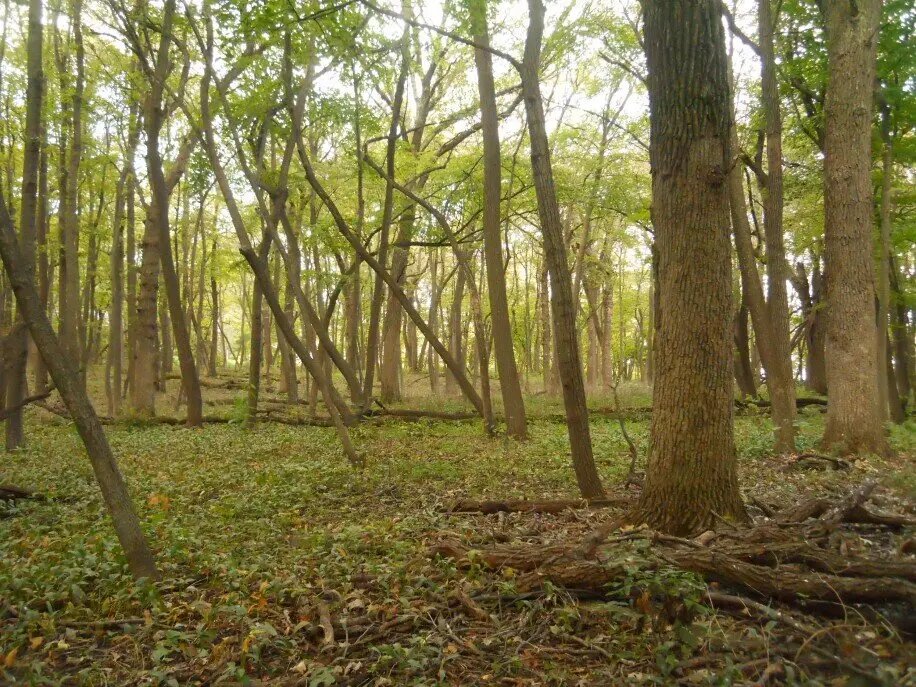
Wheeler Woods
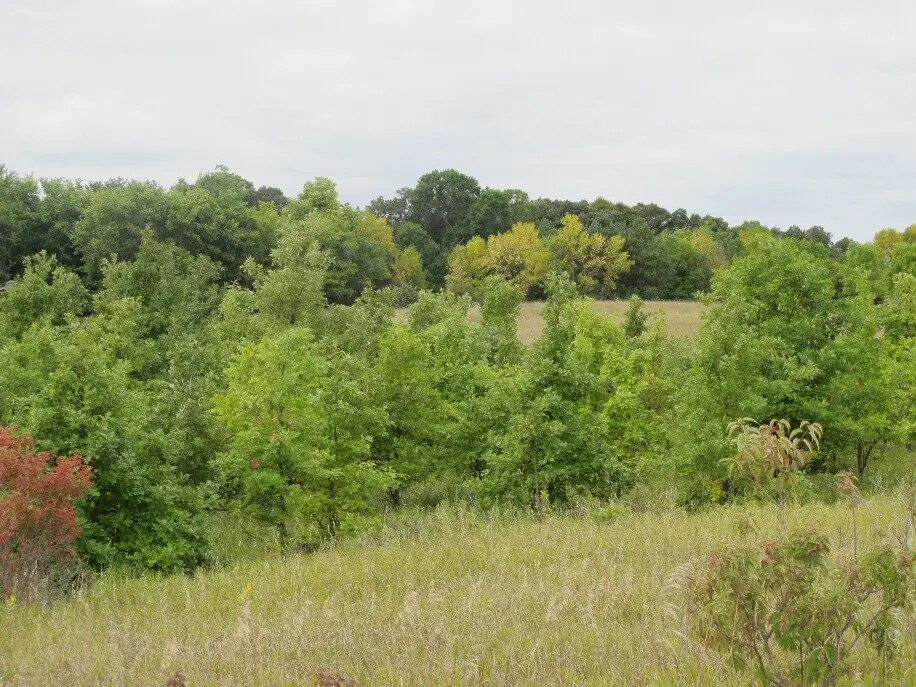
Located near Brown’s Bay, this protected woodland and shoreline refuge provides uninterrupted habitat for wildlife. The property remains closed to public access, ensuring animals can thrive in a natural and undisturbed environment.
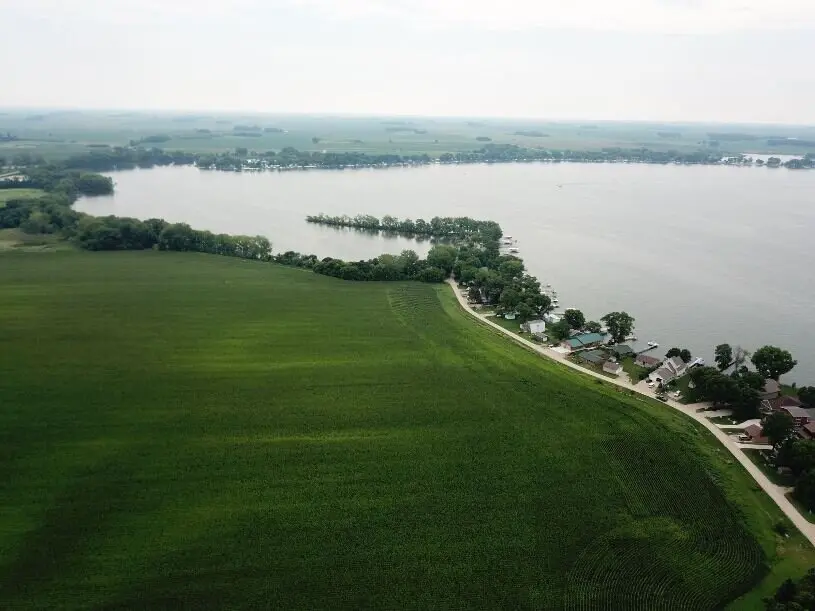
Wallace & Bowers Nature Area
Situated along Big Spirit Lake, this restoration project focuses on improving water quality through prairie plantings, wetland restoration, and soil improvement practices. Research conducted at this site continues to provide valuable insight into how land management impacts water health and wildlife populations.
Preserving Shoreline and Scenic Beauty
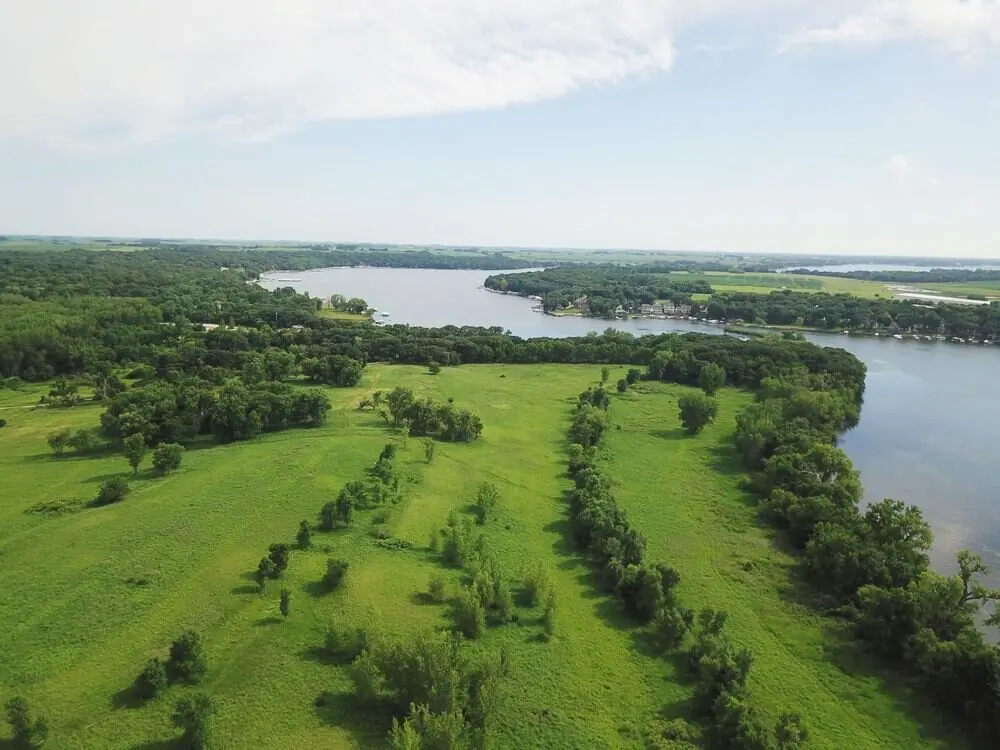
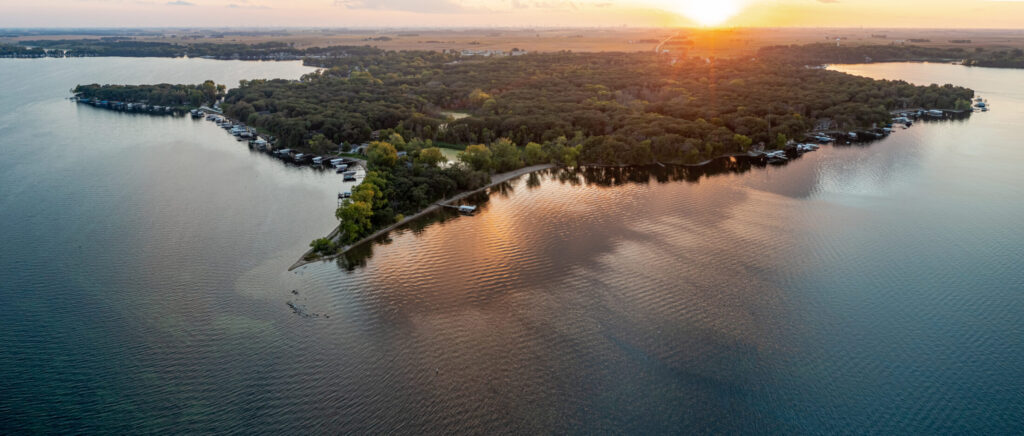
One of the most exciting conservation success stories in recent years is the protection of The Narrows Preserve. This 50-acre preserve includes more than 2,000 feet of undeveloped shoreline along East Okoboji Lake.
Purchased through overwhelming community support, the preserve protects one of the last remaining natural shorelines in the area. The land is being carefully restored to reflect its historic prairie and oak savanna ecosystem while providing essential habitat for grassland birds and pollinators.
Unlike some protected areas, the preserve allows visitors to enjoy low-impact activities such as hiking and birdwatching. As restoration work continues, conservation teams are also monitoring archaeological resources and expanding pollinator habitats to support species like monarch butterflies.
Science and Research Supporting Lake Health
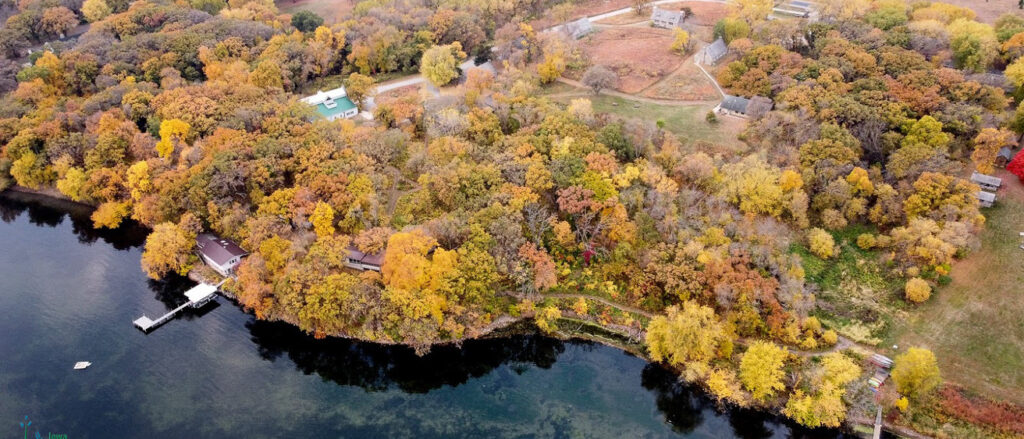
Behind many successful conservation efforts is scientific research conducted by organizations such as the Iowa Lakeside Laboratory. Located in the Iowa Great Lakes region, the laboratory studies both aquatic and terrestrial ecosystems to better understand how to protect and improve the lakes.
One major initiative is the Cooperative Lakes Area Monitoring Project, which collects long-term data on lake conditions and educates residents about lake ecology. Additionally, advanced monitoring systems collect real-time weather and water quality data to help scientists track environmental changes.
Researchers also study aquatic vegetation patterns, harmful algal blooms, and fish population management. These studies help determine how removing certain nuisance fish species can improve water clarity and overall ecosystem health. Ultimately, the laboratory’s research provides valuable guidance for conservation decisions across the region.
Promoting Safe and Responsible Recreation
Protecting the lakes also means educating visitors and residents about safe and responsible recreation. The Iowa Great Lakes Water Safety Council focuses on improving both water safety and water quality throughout the lakes chain.
Since its formation in 2002, the organization has promoted boating education, watershed awareness, and environmental responsibility. Their work helps ensure that recreational activities can continue without negatively impacting the lakes’ fragile ecosystems.

Additional Community Conservation Efforts
Beyond large organizations, several local groups also play an important role in protecting the lakes. Initiatives such as Keep Okoboji Blue focus on educating the public about protecting water clarity and lake health. Meanwhile, Millers Bay Conservancy works to preserve wildlife habitat and water quality specifically within Millers Bay.
Similarly, the East Okoboji Lakes Improvement Corporation promotes watershed stewardship and educational programs that enhance water quality throughout East Okoboji and surrounding lakes.
Together, these community-driven efforts reinforce the region’s commitment to environmental protection.
Why Conservation Matters to the Okoboji Lifestyle
The natural beauty of the Okoboji Lakes is more than just scenery — it directly supports property values, recreation opportunities, and the overall quality of life that draws people to the area. Clean water, protected shorelines, and thriving wildlife habitats all contribute to making Okoboji one of Iowa’s most desirable places to live and vacation.
Fortunately, the combined efforts of conservation organizations, researchers, and local residents continue to preserve what makes this region so special. As stewardship remains a community priority, the future of the Okoboji Lakes looks bright.
At Okoboji Realty, we are proud to be part of a community that values and protects its natural surroundings. Whether you are considering buying, selling, or simply enjoying life at the lakes, conservation efforts help ensure the beauty and lifestyle of Okoboji remain unmatched for years to come.