

The Iowa Great Lakes region has long attracted buyers searching for waterfront vacation homes and income-producing properties.
However, the investment landscape in 2026 looks very different from what it did even a few years ago. Rising maintenance costs, tighter short-term rental restrictions, and changing traveler preferences are pushing investors to reconsider the traditional lake cabin model.
Today’s buyers are prioritizing convenience, predictable cash flow, and professionally managed assets that can generate income without demanding constant attention.
As a result, condo-hotels are becoming one of the most attractive real estate opportunities in the region. These hybrid properties combine the ownership benefits of real estate with the operational advantages of a resort-style hospitality model.
Unlike standalone vacation homes that require extensive upkeep and hands-on management, condo-hotels allow owners to benefit from shared amenities, on-site services, and established rental systems.
Guests are increasingly drawn to properties that offer more than just a place to stay. They want walkable entertainment, pools, restaurants, lake access, and resort experiences all in one location.
This shift in buyer and traveler behavior has created strong momentum for both Okoboji condo-hotel investing and Iowa Great Lakes resort condos, especially in high-demand destinations near Arnolds Park and the surrounding lakeshore communities.
What Is Driving Okoboji Condo-Hotel Investing in 2026
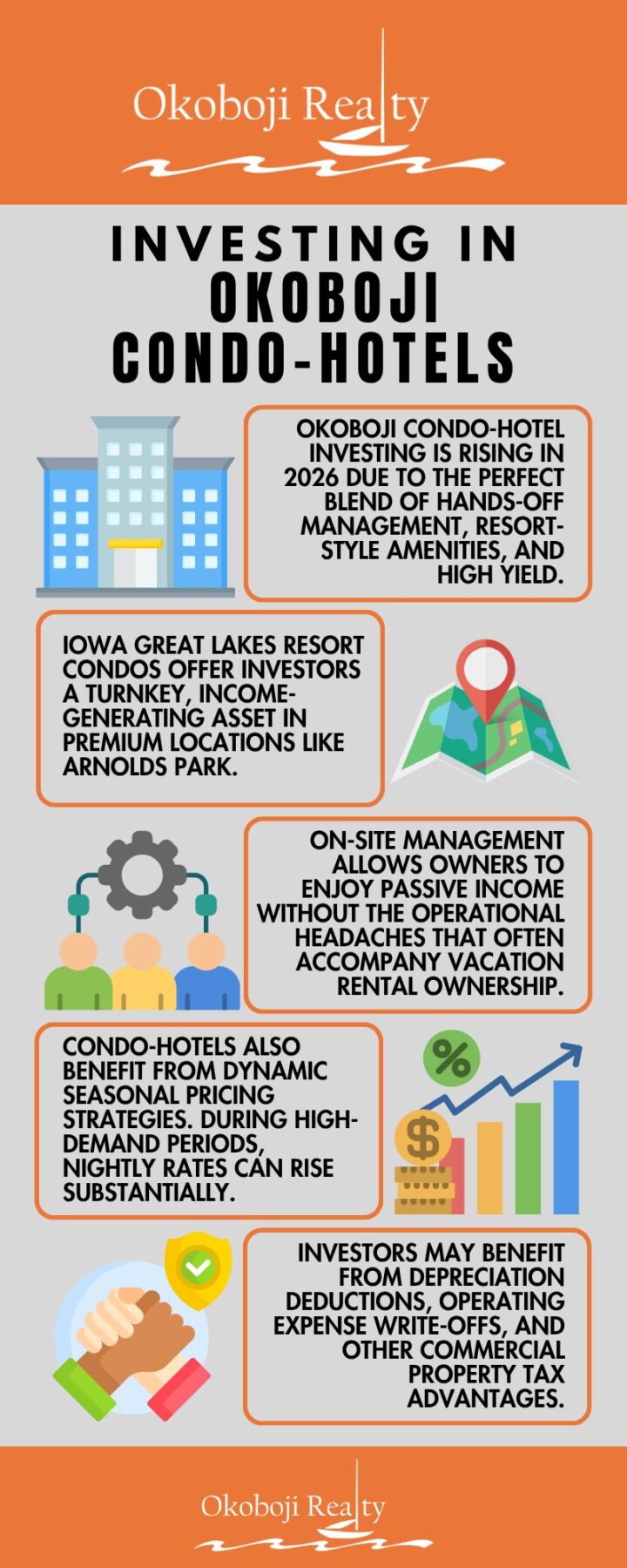
Okoboji condo-hotel investing is rising in 2026 due to the perfect blend of hands-off management, resort-style amenities, and high yield. These Iowa Great Lakes resort condos bypass standard single-family residential hurdles, offering investors a turnkey, income-generating asset in premium locations like Arnolds Park.
Why Investors Target Bridges Bay Resort Properties 2026
The Turnkey Resort Model
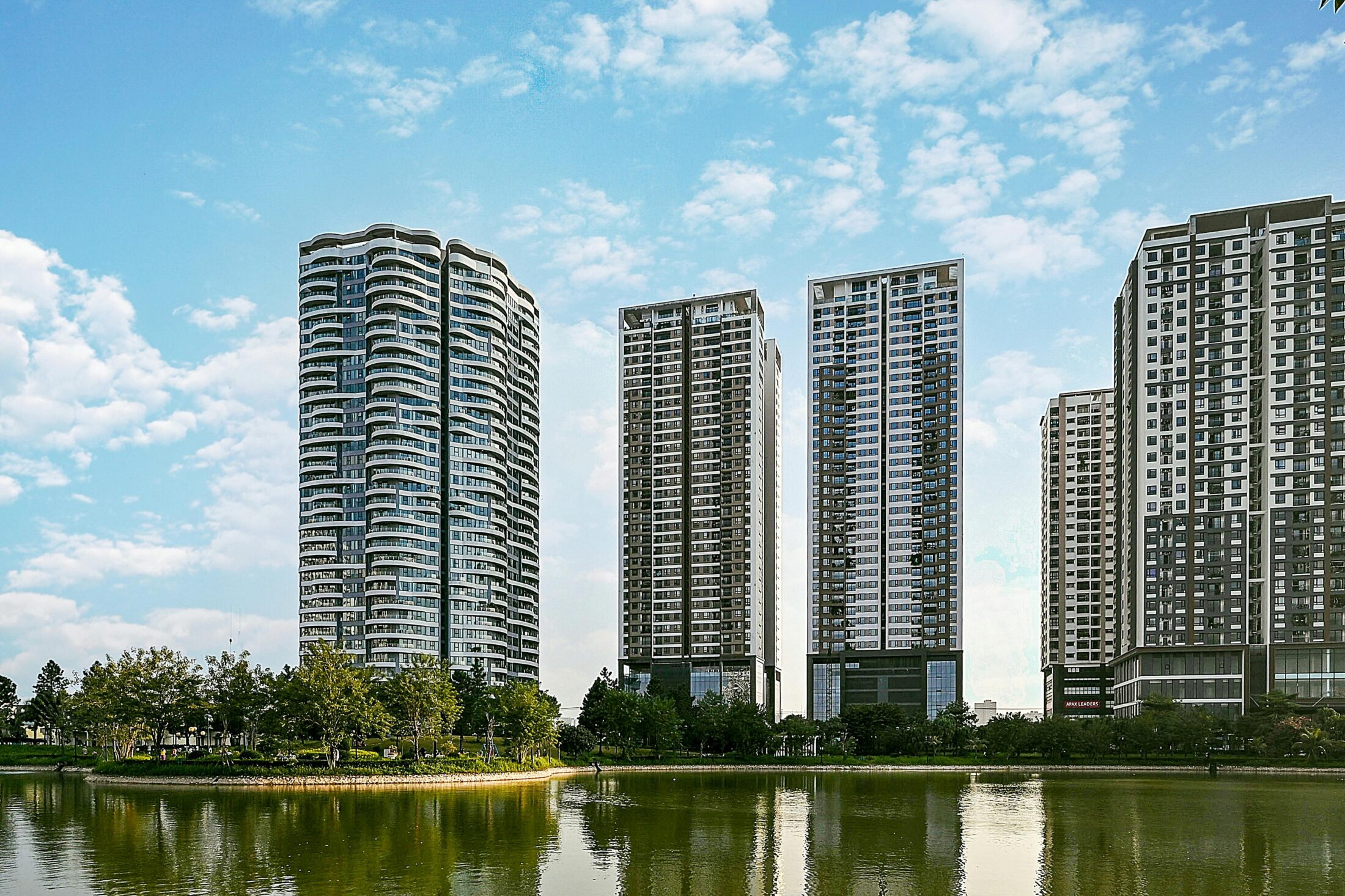
Bridges Bay resort properties 2026 continue to attract investors because they offer an all-in-one vacation experience that appeals strongly to renters.
Guests enjoy access to popular amenities such as indoor waterparks, outdoor pools, restaurants, bars, fitness facilities, and private lake access.
This amenity-rich environment significantly improves occupancy rates during the busy summer season.
Families, groups, and repeat visitors often choose resort properties because they eliminate the need to drive between attractions. Everything they need is located within walking distance or directly on-site.
For investors, that convenience translates into stronger nightly rates and more consistent booking demand throughout the year. Travelers are often willing to pay a premium for accommodations connected to entertainment and recreational amenities.
On-Site Management Peace of Mind
One of the biggest advantages of condo-hotel ownership is professional management. Traditional vacation rentals can quickly become overwhelming for remote owners, especially during peak travel months.
On-site management teams typically coordinate guest reservations, check-ins, housekeeping, maintenance requests, and common area upkeep.
This system allows owners to enjoy passive income without dealing with the operational headaches that often accompany vacation rental ownership.
For out-of-state buyers or investors managing multiple properties, this hands-off structure is especially valuable. It creates a more predictable ownership experience while maintaining consistent guest service standards.

How to Maximize Arnolds Park Vacation Rental ROI
The Walkability and Entertainment Premium
Location remains one of the most important factors in vacation rental performance. Properties located near entertainment districts consistently outperform isolated vacation homes in terms of occupancy and rental revenue.
Units situated near Arnolds Park Amusement Park benefit from strong visitor demand because guests value walkability. Vacationers prefer staying close to restaurants, nightlife, live music venues, shopping, and boat excursions rather than relying on transportation throughout their stay.
This entertainment premium plays a major role in improving Arnolds Park vacation rental ROI. Travelers often pay higher nightly rates for properties that place them in the center of the action.
In addition, walkable resort areas tend to attract repeat visitors who return annually for local events and seasonal activities.
Pricing Power in Peak Season
Condo-hotels also benefit from dynamic seasonal pricing strategies. During high-demand periods such as the University of Okoboji Winter Games, Fourth of July celebrations, and summer concert weekends, nightly rates can rise substantially.
Because resort properties already operate within professional hospitality systems, they are often better positioned to adjust pricing based on market demand. This flexibility allows owners to maximize annual cash flow during limited peak-season windows.
Traditional vacation homeowners may struggle to optimize pricing effectively, especially if they self-manage bookings or lack access to sophisticated reservation platforms.

Understanding Dickinson County Commercial Real Estate Regulations
Navigating Zoning and Compliance
Dickinson County commercial real estate regulations are becoming increasingly important for investors to understand before purchasing vacation property.
Many residential communities are tightening rules surrounding short-term rentals due to concerns about noise, parking, and neighborhood disruption.
Key zoning considerations include:
- Residential neighborhoods may limit or prohibit short-term rentals.
- Commercial-zoned condo-hotels are generally designed to accommodate transient lodging.
- Licensing and inspection requirements vary by municipality.
- Some areas require annual permit renewals for rental operations.
- Occupancy limits and parking requirements may apply to vacation rentals.
Because condo-hotels are commonly located within commercial or resort zoning districts, they provide a safer long-term investment structure for buyers seeking stable rental operations.
Tax and Permit Compliance
Investors should also understand local lodging tax obligations and permitting requirements before operating a vacation rental. Many municipalities require owners to collect and remit hotel or occupancy taxes.
Commercial property designations may also affect insurance policies, financing options, and operating expenses. Working with experienced local professionals can help investors remain fully compliant while avoiding costly regulatory issues.
Maintaining proper documentation and adhering to county regulations protects both the property owner and the long-term viability of the investment.
Comparing Traditional Cabins and Iowa Great Lakes Resort Condos
| Investment Feature | Traditional Lakefront Cabin | Iowa Great Lakes Resort Condos |
|---|---|---|
| Average Entry Price | High to Premium | Accessible to Moderate |
| Maintenance Burden | High (Owner responsible) | Low (Handled by HOA / Resort) |
| Short-Term Rental Zoning | Highly Restricted by Town | Permitted (Commercial Zoning) |
| Amenity Access | Private Dock Only | Pools, Waterparks, Restaurants |
| Management Style | Self-Managed or Agency | On-Site Turnkey Program |
This comparison highlights why many investors are shifting away from traditional vacation homes. While lakefront cabins still hold appeal for personal use, condo-hotels often provide greater efficiency, lower operational stress, and stronger income potential for investment-focused buyers.
Key Takeaway: Maximize Cash Flow with Turnkey Assets
Smart investing in the Iowa Great Lakes requires adapting to evolving market conditions and local regulations.
Investors who focus on Okoboji condo-hotel investing can often avoid many of the restrictions facing traditional residential vacation rentals while benefiting from professionally managed hospitality systems.
By targeting commercial-zoned resort properties, buyers gain access to turnkey ownership opportunities with lower maintenance demands and stronger rental flexibility.
Established destinations featuring Bridges Bay Resort properties 2026 continue attracting vacationers seeking convenience, entertainment, and premium amenities.
As traveler preferences continue shifting toward experience-driven accommodations, investors who prioritize Iowa Great Lakes resort condos may position themselves for stronger long-term performance and improved Arnold’s Park vacation rental ROI in the years ahead.
If you are considering entering the vacation rental market or expanding your portfolio in the Iowa Great Lakes region, now is an excellent time to explore the opportunities available through Okoboji condo-hotel investing.
The right property can deliver strong income potential while minimizing the operational burdens associated with traditional vacation homes.
To learn more about available resort properties, financing options, or local market trends, contact our team at 712 336 4000 or email team@okobojire.com for personalized guidance tailored to your investment goals.
Frequently Asked Questions
What is the main difference between a standard condo and a condo-hotel in Okoboji?
A condo-hotel typically operates within a resort environment and includes professional rental management, hospitality amenities, and short-term lodging services. Standard condos are usually designed primarily for residential living.
Are Bridges Bay Resort properties 2026 eligible for traditional residential financing?
Some lenders offer conventional financing for resort condos, but requirements may differ from standard residential loans due to rental income considerations and commercial elements.
How do Dickinson County commercial real estate regulations affect short-term rental permits?
Commercial-zoned properties generally face fewer restrictions for short-term rentals compared to residential neighborhoods, though owners must still comply with licensing and lodging tax requirements.
What expenses are typically deducted from my Arnold's Park vacation rental roi?
Common expenses include HOA dues, management fees, maintenance costs, utilities, insurance, property taxes, and lodging taxes.
Can I live in my Okoboji resort condo year-round?
Some resort condos allow full-time occupancy, while others may have restrictions based on zoning or association rules. Buyers should verify occupancy guidelines before purchasing.
How do on-site property management fees for condo-hotels compare to traditional rental agencies?
On-site management programs may charge similar or slightly higher fees, but they often provide more comprehensive services, including guest support, maintenance coordination, and integrated booking systems.
Are there specific tax advantages to buying commercial-zoned Iowa Great Lakes resort condos?
Depending on ownership structure and tax strategy, investors may benefit from depreciation deductions, operating expense write-offs, and other commercial property tax advantages. Consulting a qualified tax professional is recommended.